Personal Brand Kit 101: What Freelancers Need
Your invoice says one thing, your Instagram bio says another, and your proposal PDF looks like it came from a third business. A client scrolling through all three in one afternoon notices, even without naming what’s off. A personal brand kit closes that gap: a small set of visual rules that let you, or anyone helping you, produce a consistent post, invoice, or deck without re-deciding your colors and fonts every time.
Kit vs. Full Brand Identity: The Difference
A personal brand kit is the working toolkit version of your brand: a logo, a short color palette, two fonts, and a one-page guide for using them together. A full brand identity system adds voice guidelines, iconography, and pattern libraries, useful for a growing agency and more than a solo consultant sending five proposals a month needs.
What a Personal Brand Kit Solves
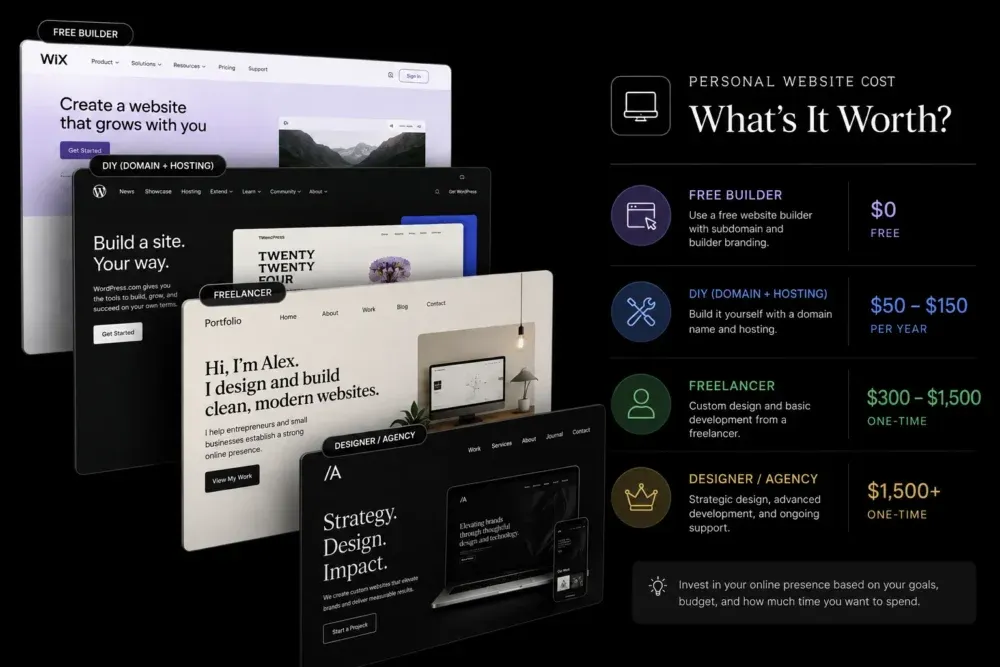
The kit exists so you stop rebuilding your visual decisions from scratch every time you open a design tool or brief a contractor. You made the calls once; the kit holds them steady. If you’re still weighing whether this is worth doing yourself or handing off, whether it’s worth hiring a designer as an individual covers that decision in more general terms.
The Four Pieces Every Kit Needs
1. A logo lockup, plus a submark
Your full logo works on a website header. It doesn’t work as a 40-pixel profile photo, where the text turns to mush and the mark loses its shape. You need a second, simplified version, often your initials or an icon, built for small spaces: profile photos, favicons, app icons.
2. A color palette with hex codes
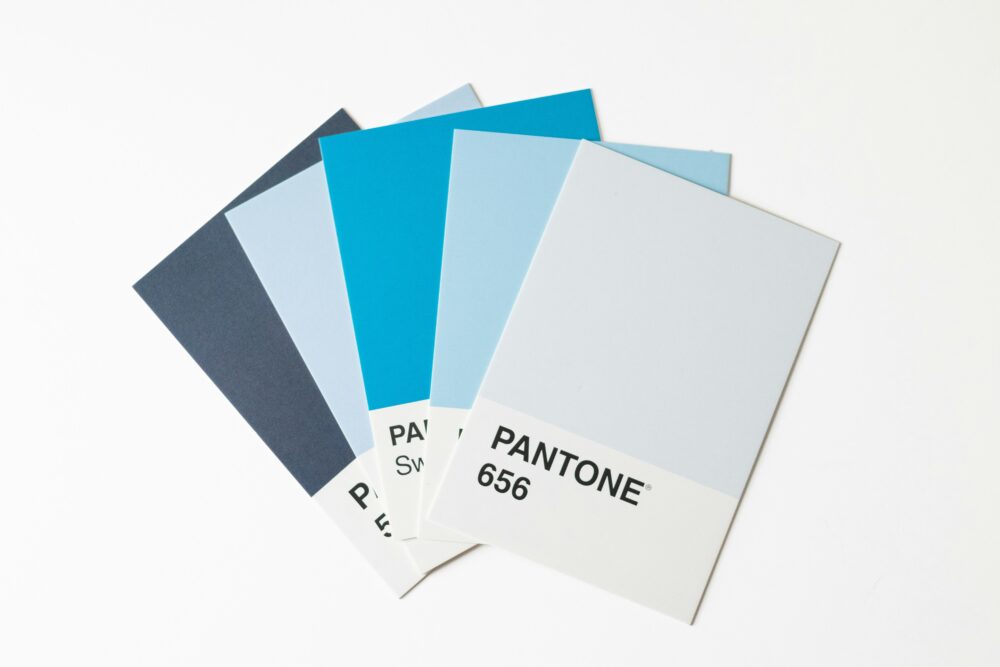
Two to four colors, written down as exact hex or RGB values. “Navy blue” means five different navies depending on who’s picking it. A hex code means one, and it means the same one in every tool you use.
3. A typography pairing
One font for headlines, one for body text, chosen once and used everywhere: your website, your slide decks, your PDF proposals. Swapping fonts between platforms is a fast way to make a one-person business look like three different people ran it.
4. A one-page usage guide
Where the logo goes, how much space surrounds it, which color combinations to avoid. Without this page, the other three pieces get reinterpreted differently by every collaborator you hand them to.
What Freelancers Skip and Regret
- Exporting only one logo file, so the submark crops into an unreadable smudge on any platform that forces a circular crop
- Saving the logo only as a JPEG, which can’t sit on a transparent background for a slide or print cleanly on a business card
- Skipping the usage guide, so a subcontractor uses the wrong shade of blue on a flyer three months later
- Turning down work because a proposal takes too long to format, or dodging video calls because the slide template doesn’t match the website
Building Yours: DIY or Hire It Out
A logo generator or a template gets you through your first few months. It breaks down once your mark needs to work across a dozen contexts: a favicon, a printed sticker, a video intro, because generator tools rarely export more than a flat PNG.
Hiring it out earns its cost once bigger clients start finding you: when a proposal needs to hold up against an agency’s, or your brand needs to sit next to a partner’s on a shared asset. A branding and identity project builds the full kit (logo, palette, type, and the usage guide) in one pass instead of patching it together piece by piece over a year, the same support a growing team gets from a full brand identity engagement, scaled to a solo business.
Frequently Asked Questions
Do I need a personal brand kit if I’m new to freelancing?
Yes, in a smaller form. Even one logo file, two colors, and a font pairing written down saves you from re-deciding your visuals every time you send an invoice or post online.
What’s the difference between a brand kit and a full brand identity?
A brand kit is four working pieces: logo, palette, type, and a usage guide. A full identity system adds voice guidelines, patterns, and iconography for a larger, growing operation.
Can I build my own brand kit for free?
You can start with free tools, but most generators only export a flat PNG. That works for a first pass and breaks down once you need the mark to work across a dozen formats.
How often should I update my brand kit?
Most freelancers revisit it every one to two years, or sooner if their services, audience, or pricing shift enough that the current look no longer matches the business.
What file formats should be in my kit?
At minimum, a PNG with a transparent background for digital use and a vector file, SVG or AI, for print. Save both a full-color and a single-color version of the logo and submark.
The Business Card That Never Gets Left Behind
A personal brand kit is four things: a logo with a submark, a color palette in hex codes, a type pairing, and a one-page guide tying them together. Check what you currently have against that list; if you’re missing the submark or the guide, that’s the gap costing you the most in moments you don’t see.
If you’d rather have the full kit built in one pass, get in touch and I’ll walk you through what a branding project would look like for your business.
Categories:
Last update: