What to Expect When You Hire a Freelance Designer
Hiring an agency comes with a project manager, a team, and a formal process on paper. Hiring a freelancer comes with one person and a lot of unanswered questions: how often will they respond, what happens if you don’t like the first draft, who owns the files when it’s done. This post answers those questions directly, so you know what a normal working relationship looks like before you sign anything.
Communication: How Often You’ll Hear From Me
Expect a response within one business day for most messages, faster during active review periods. I send a short update at the end of each major step (concepts ready, revisions complete, site ready for testing) rather than daily check-ins with nothing new to report. If you’d rather have a scheduled weekly call instead of async updates, say so at the start. Most projects run better with fewer, more substantial touchpoints than constant small ones.
Timeline: What Slows Projects Down
A standard site runs three to six weeks from discovery to launch, as covered in this walkthrough of the website design process. The single biggest cause of delay is waiting on content and feedback from the client side, not the design work itself. Sending photos, final copy, and revision notes promptly keeps the project on the timeline we agreed to at the start.
Revisions: What’s Included and What Isn’t
A well-scoped project builds two to three rounds of revisions into the quoted price. Feedback like “make the header bigger” or “swap this photo” fits inside that scope. A request to redesign the entire homepage after concepts are approved usually counts as new work, billed separately. Ask upfront how many rounds are included and what happens past that number, so nobody’s guessing mid-project.
Payment: How Freelancers Typically Structure It
Most freelance projects split payment into two or three milestones: a deposit to start, a payment at design approval, and a final payment at launch. This protects both sides. You’re not paying the full amount before seeing any work, and the designer isn’t building an entire site on the promise of payment later. Confirm the payment schedule and what happens if a project pauses partway through.
Ownership: Who Gets the Final Files
You should own the finished site, the source files, and any custom assets built for you once the project is paid in full. Ask this question before you start, not after: some setups keep hosting or admin access locked to the designer, which limits what you can do without them later.
What a Freelancer Won’t Do (and Why That’s Fine)
- Handle everything simultaneously. A solo freelancer works through projects in sequence, not in parallel with a full team. Timelines reflect that, and quotes should too.
- Guess at your business. Discovery questions aren’t a formality. The answers shape every design decision that follows.
- Disappear after launch. A good freelancer includes a short support window for fixes and stays reachable for future updates, even without a formal retainer.
Signs You’re Working With a Good Freelancer
- They ask about your business and customers before opening design software.
- They give you a clear scope, timeline, and payment structure in writing.
- They tell you directly when a request falls outside the original scope, instead of quietly absorbing extra work or padding the invoice later.
Frequently Asked Questions
How is working with a freelancer different from an agency?
You work directly with the person doing the design, with no account manager in between. Communication tends to be faster and more direct. The tradeoff is that projects run in sequence, one at a time, rather than with a full team working in parallel.
What should I have ready before starting a project?
Your logo and brand colors if you have them, a rough list of pages you need, and as much finished content as possible. The more prepared you are for discovery, the faster the rest of the process moves.
What happens if I’m not happy with the first design concept?
That’s what the revision rounds are for. A good process expects the first concept to need adjustment and builds feedback rounds into the price rather than treating your input as an inconvenience.
Can I ask questions before committing to a project?
Yes. A short discovery call before you sign anything is standard, and it’s the right time to ask about timeline, payment structure, and ownership. Common questions from other clients sit on my FAQ page.
Starting a Project With Clear Expectations
A working relationship goes smoothly when both sides know what to expect from the start: how communication works, what revisions cover, how payment breaks down, and who owns the finished product. Ask these questions upfront and you avoid the friction that usually comes from assuming instead of asking.
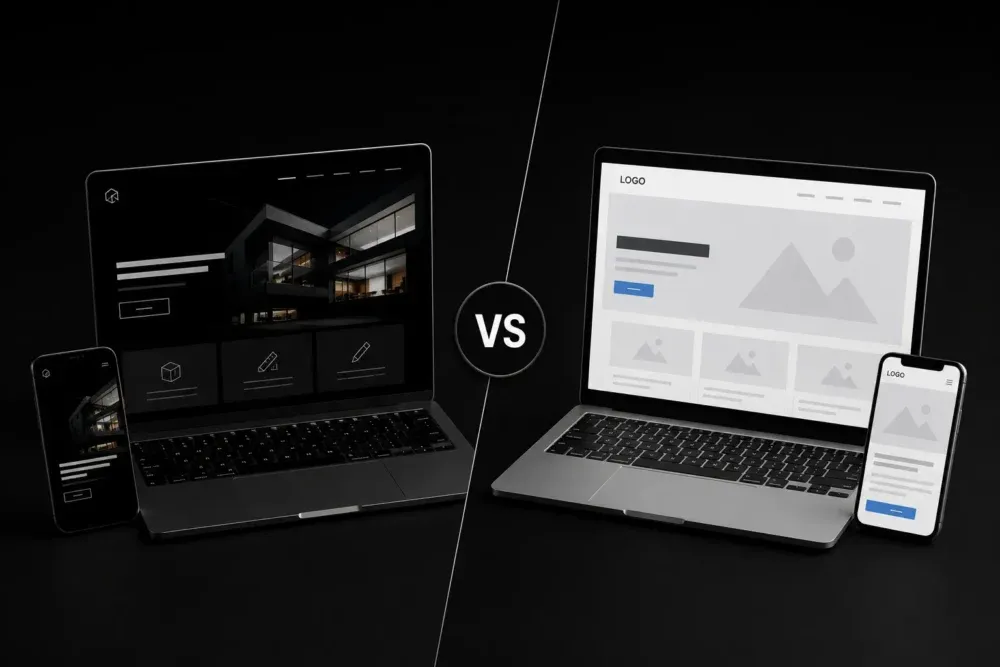
If you want to know more about how I work before reaching out, read more about me, check the FAQ page, or see how the decision to hire in the first place stacks up against building it yourself in this comparison of DIY builders and hiring a designer.
Categories:
Last update: