What Is a Brand Style Guide? (And Why You Need One)
You hire a printer for business cards, a web developer for your site, and a friend’s cousin to design a flyer for a local event. Without a document telling each of them what your brand looks like, you get three different shades of blue and two different fonts across three pieces of material. A brand style guide is that document, and it’s the difference between a business that looks like one company and one that looks like three.
What a Brand Style Guide Contains
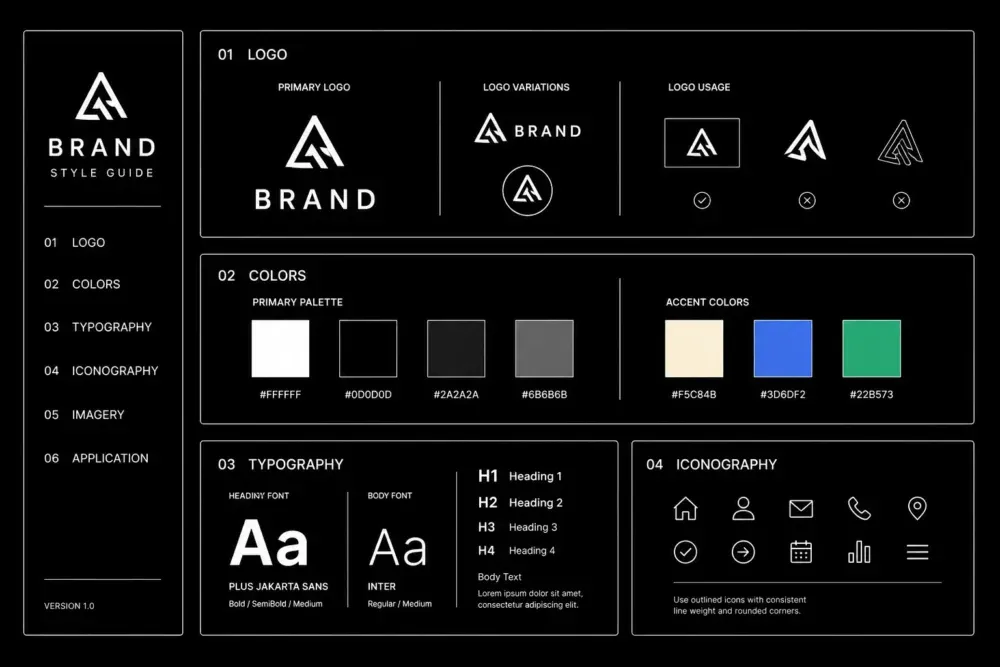
- Logo usage: approved versions, minimum size, clear space around the mark, and what not to do with it.
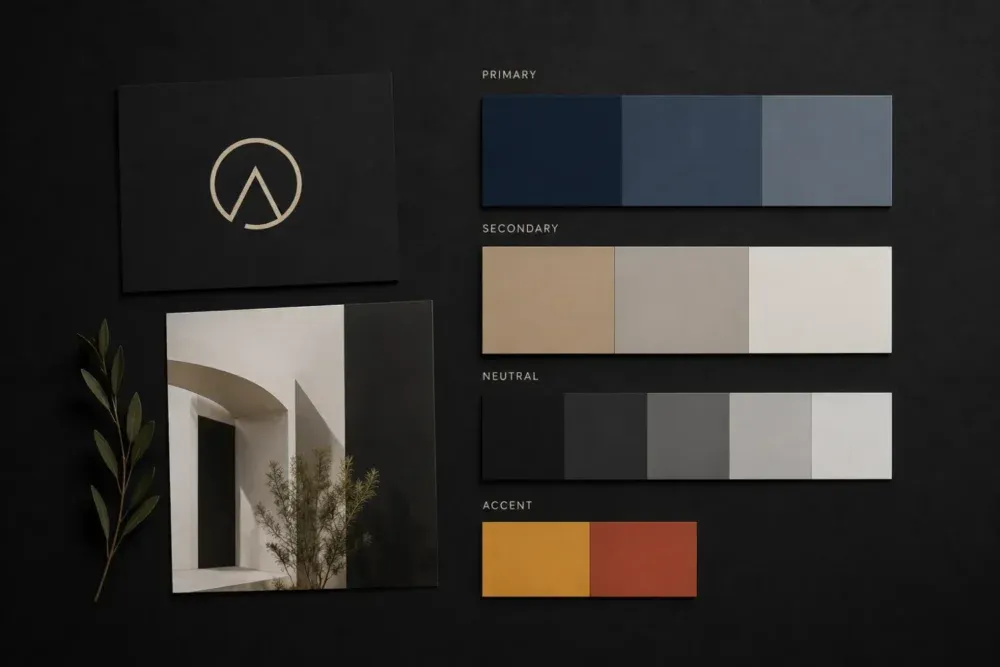
- Color palette: exact hex, RGB, and CMYK codes for every brand color, so print and digital versions match. This guide to choosing brand colors covers how to build that palette in the first place.
- Typography: which fonts to use for headlines versus body text, and fallback fonts for tools that don’t support the primary choice.
- Imagery style: guidance on photography, icons, or illustration so visuals feel consistent across every piece of material.
- Voice and tone: a short note on how the brand sounds in writing, formal or casual, so copy stays consistent across a website and social posts.
Why a Style Guide Matters More Than It Looks Like It Would
A logo and a color palette exist the moment a designer hands them over. A style guide is what keeps them intact a year later, after three different freelancers have touched your marketing materials and nobody remembers the exact blue you started with.
This connects directly to the difference between a logo and a full identity system. This comparison of brand identity and logo design explains that gap, and a style guide is the document that closes it: it turns a set of design files into rules anyone can follow.
Who Uses the Style Guide
- Printers use it to match colors exactly on business cards, signage, and packaging.
- Web developers use it to pull correct hex codes and fonts without guessing.
- New employees use it to build presentations and materials that match the brand from day one.
- You use it as the reference when a new vendor asks what your brand colors are, instead of digging through old files.
Signs You’re Missing One
A missing style guide usually shows up as inconsistency: different blues on your website and business cards, three different fonts across your marketing materials, a logo that gets stretched or recolored depending on who’s using it. If that sounds familiar, this list of signs your brand identity needs a refresh covers the broader pattern, and a style guide is often the missing piece that fixes it without a full rebrand.
What a Basic Style Guide Should Cover for a Small Business
A small business doesn’t need a hundred-page brand manual. A working style guide covers logo usage, color codes, font choices, and a few example applications (a business card, a social post, a letterhead) on two to four pages. That’s enough for any vendor to get your brand right without a call to check.
Frequently Asked Questions
Do small businesses need a style guide?
If more than one person or vendor ever touches your marketing materials, yes. A style guide prevents the slow drift where every new piece looks slightly different from the last.
How is a style guide different from a brand identity?
Brand identity is the full visual system: logo, colors, fonts, and imagery. A style guide is the document that writes those choices down as rules, so anyone using them gets consistent results.
How long does it take to create a style guide?
For a business with an existing logo and colors, a basic style guide can be put together in a few days. Building one alongside a new brand identity typically happens as part of that larger project.
Can I create a style guide myself?
You can document the basics: hex codes, fonts, and logo files in one place. A designer adds value by testing how those choices hold up across real applications and catching inconsistencies you might miss on your own.
Keeping Your Brand Consistent Going Forward
A style guide is a small document that solves a problem most businesses don’t notice until it’s already cost them money: paying a printer twice because the first run used the wrong blue, or watching a new hire’s presentation look nothing like the rest of the brand. Get it written once and every vendor after that gets it right the first time.
If you need a style guide built alongside your logo and brand identity, take a look at my branding and visual identity services, browse recent branding projects, or get in touch to start the conversation.
Categories:
Last update: