Turning a Hobby Into a Shop: What to Know First
You’ve been making candles, jewelry, art, or something else people keep asking to buy, and the question has shifted from “should I sell this?” to “how do I do it?” Selling online takes more than picking a platform and uploading photos. A handful of decisions, some legal, some practical, are worth sorting out before your first sale, not after someone asks a question you can’t answer.
Do You Need to Register a Business First?
Not necessarily, at least not on day one. Many places allow individuals to sell as a sole proprietor without formal registration, up to certain revenue thresholds, though rules vary by location. What you do need is clarity on how you’ll report income and whether your specific product category has licensing requirements, food and cosmetics being the most common examples that need extra steps.
What to Sort Out Before Your First Sale
- How you’ll handle taxes. Selling online, even as a hobby, usually creates a tax obligation once you cross a certain income level. Check your local requirements before you’re deep into a busy season.
- Whether your product needs any certification. Food, skincare, and children’s products often carry specific safety or labeling requirements that a decorative craft doesn’t.
- How you’ll handle payment processing. Most ecommerce platforms include this, but confirm what fees apply and how quickly you get paid.
- Where you’ll sell. A marketplace like Etsy, your own website, or both, each comes with different costs and different control over your brand.
Marketplace vs. Your Own Website
A marketplace like Etsy gets you in front of buyers immediately, with built-in traffic you don’t have to build yourself. The tradeoff is competition, platform fees, and a storefront that looks like every other shop on the same marketplace. Your own website costs more upfront and takes longer to build an audience, but it gives you full control over branding, pricing, and the customer relationship, without a marketplace’s fees eating into every sale.
Choosing a Platform Once You’re Ready for Your Own Site
WooCommerce and Shopify are the two most common choices for a small store, and the tradeoffs matter even at hobby scale. This comparison of WooCommerce and Shopify covers cost, control, and maintenance for both, the same considerations whether you’re launching a business store or a side project selling what you make on weekends.
What a Small Shop Costs to Build
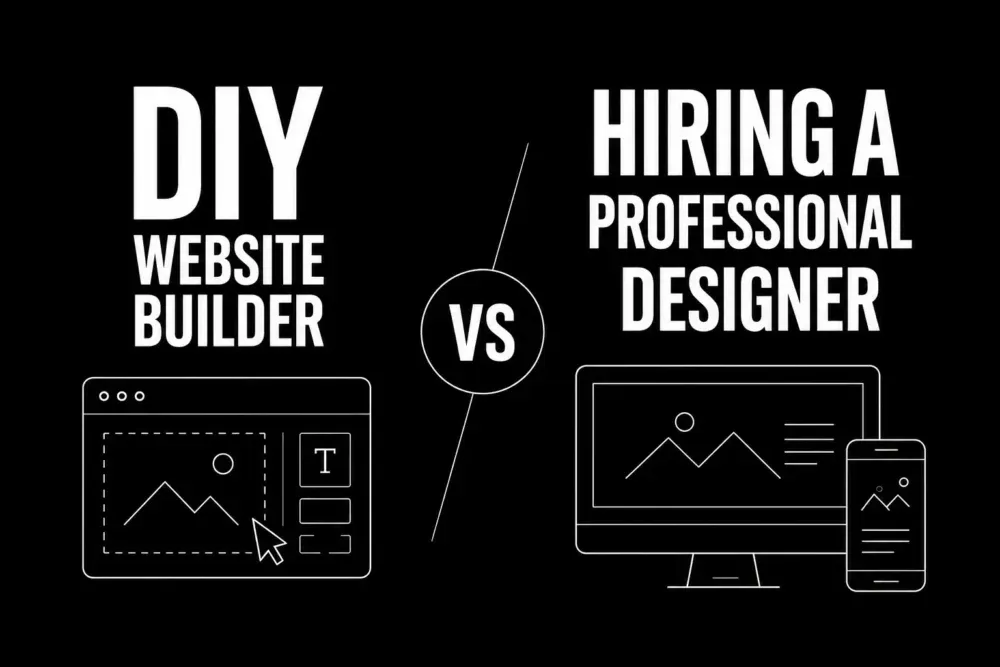
Costs scale with catalog size and complexity, not with whether you call it a hobby or a business. This breakdown of ecommerce website cost covers pricing by option, from a DIY builder to a custom-built store, so you can budget realistically before committing to a platform.
Signs You’re Ready to Make the Jump
- People are already asking to buy, not only admiring. Repeated requests to purchase are a stronger signal than compliments alone.
- You can produce consistently, not only occasionally. A shop needs steady supply, not a single batch you made once.
- You’ve priced it out and it’s still worth doing. Materials, your time, and platform fees should leave real margin, beyond covering costs alone.
Common Mistakes When Turning a Hobby Into a Shop
- Skipping the tax and licensing check. This is the step most hobbyists put off, and it’s the one most likely to cause a real problem later.
- Underpricing based on materials alone. Your time and platform fees need to factor into the price, not only what the raw materials cost.
- Building a full custom site before testing demand. A marketplace listing or a simple site can validate interest before you invest in a bigger build.
- Ignoring branding until the shop feels established. A basic logo and consistent presentation build trust with early customers, even at a small scale.
Frequently Asked Questions
Do I need an LLC to sell handmade products online?
Not always. Many people start as a sole proprietor, though rules vary by location and revenue level. Check local requirements, and consider registering once sales become consistent rather than occasional.
Should I start on a marketplace or build my own website?
Start where your buyers already are if you’re testing demand. A marketplace works well for that. Once you have consistent sales and want more control over pricing and branding, your own website becomes worth the investment.
How much does it cost to start a small online shop?
A marketplace listing can cost close to nothing beyond small fees per sale. A custom-built store typically runs $2,000 to $8,000 with an independent developer, depending on catalog size and features.
What’s the biggest mistake people make turning a hobby into a shop?
Skipping the tax and licensing research. It feels like the least exciting part of the process, but it’s the part most likely to create a real problem once sales pick up.
Making the Move From Hobby to Shop
Selling what you make online is a smaller leap than it feels like from the outside, as long as you handle the practical pieces, taxes, licensing, platform choice, before your first sale rather than after. Get those sorted early and the rest is building a shop around something you already know people want. If you’re weighing whether a full store or a simpler personal site fits your stage right now, this breakdown of personal website cost covers the same tradeoffs from the other direction.
If you’re ready to build a real storefront, take a look at my ecommerce website services, or get in touch to talk through what your shop needs to start strong.
Categories:
Last update: