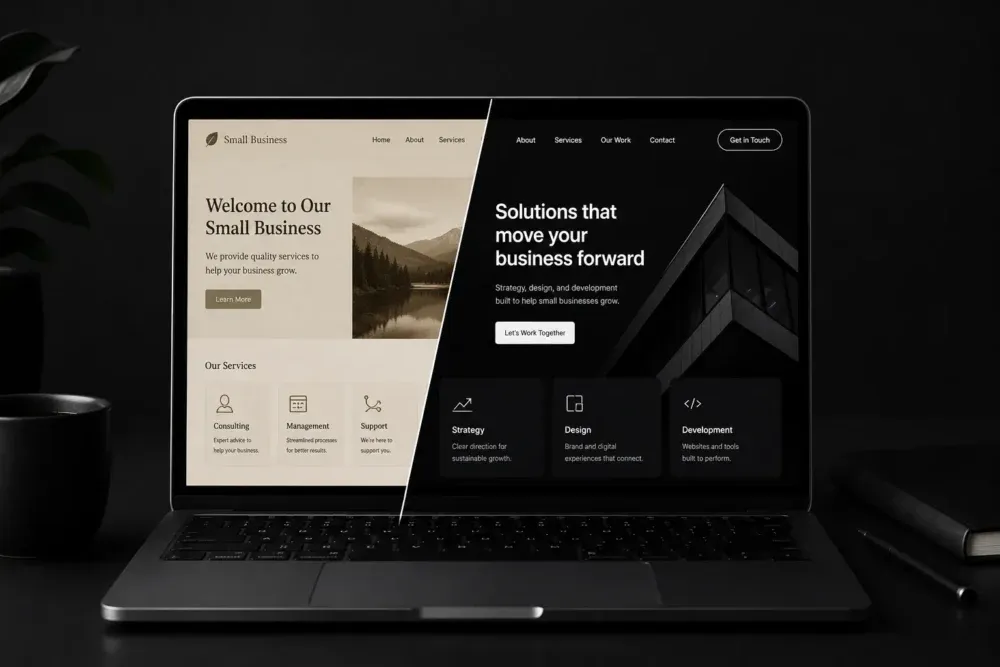
9 Signs Your Website Needs a Redesign (2026 Guide)
Most business owners don’t wake up and decide to redesign a website. They notice one thing that’s off, a slow load, a visitor who couldn’t find the contact page, then a second thing, then a third. This list covers the nine signs that show up most often, so you can tell whether your site needs a tweak or a full rebuild.
The 9 Signs
1. Your site takes more than three seconds to load
Visitors leave before the page finishes rendering. A slow site loses customers before they read a single word, and search engines rank slow pages lower than fast ones. If you haven’t checked your load time recently, that’s the first thing to test.
2. It breaks or looks wrong on a phone
Most of your visitors are on mobile. If buttons overlap, text runs off the screen, or menus don’t open properly on a phone, you’re losing the majority of your traffic to a broken experience.
3. Visitors leave without taking any action
A homepage without a clear next step (call, book, buy, contact) leaves visitors to figure out what to do on their own. Most won’t bother. Check your analytics: a high bounce rate with almost no clicks on your main call to action is a design problem, not a marketing problem.
4. The design looks like it’s from a different decade
Design trends move. Stock photo styles, layout patterns, and fonts that felt current in 2016 read as dated now, and an outdated look signals an outdated business, even if the business itself is thriving.
5. You can’t update it yourself
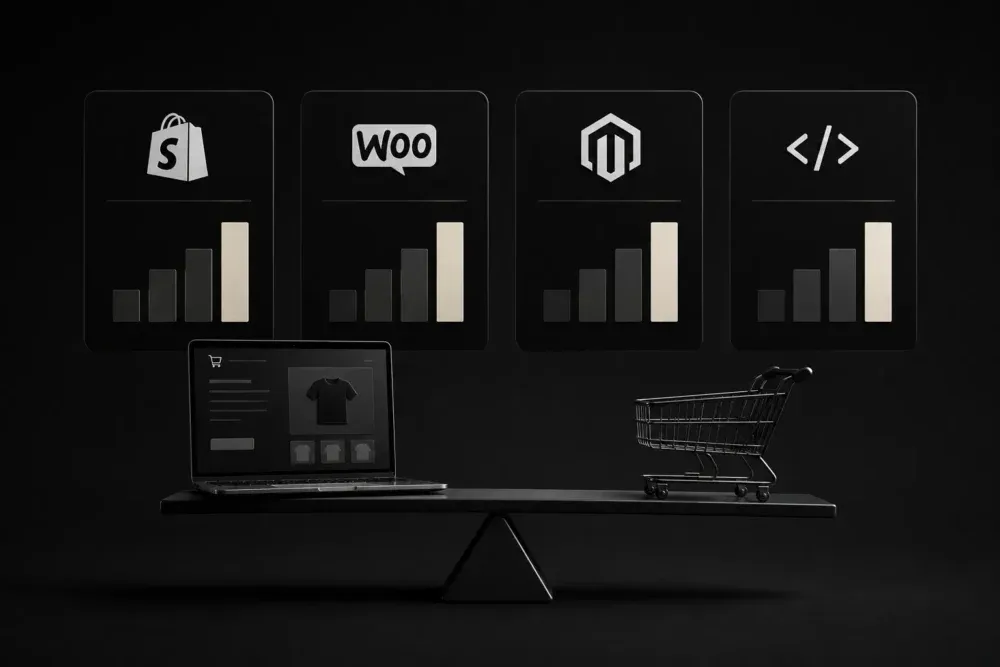
If changing a phone number or adding a new service means emailing a developer and waiting a week, the site is holding your business back. A redesign is a chance to move onto a platform you can manage yourself. Platform choice drives this problem more than most owners expect. Comparing WooCommerce and Shopify before you rebuild can save you from hitting this same wall again in two years.
6. Competitors’ sites look more credible than yours
Customers compare. If a competitor’s site looks more professional than yours, some percentage of shoppers pick them without ever calling either business. Credibility online translates directly into which business gets the inquiry.
7. It doesn’t show up in search results anymore
Old sites often carry technical SEO problems (slow load times, missing page titles, broken links) that push rankings down over time. If traffic has dropped and nothing else about your business changed, the site itself is a likely cause.
8. Your brand has changed, but the site hasn’t caught up
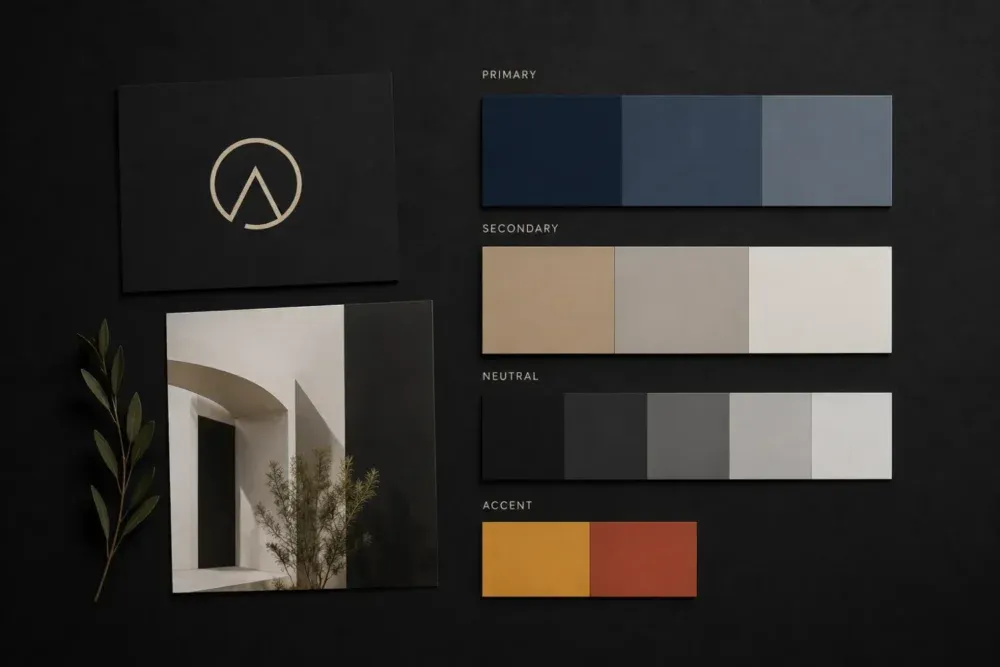
A new logo, updated colors, or a repositioned message only works if it shows up everywhere, starting with your website. Running an old site next to a new brand identity confuses visitors about which one is current. If you’re unsure how a logo update relates to the rest of your visual identity, this comparison of brand identity and logo design lays out what changes and what stays the same.
9. You avoid sending people to it
If you hesitate before handing someone your URL, or you find yourself explaining the site away before they visit it, that hesitation is worth listening to. You know the gap between what the business is and what the site shows.
How Many Signs Mean You Need a Redesign
One or two signs usually point to a fix, not a rebuild: compress images to improve load time, or add a clearer call to action to the homepage. Three or more signs, especially combined with an old brand identity or a platform you can’t manage, point to a full redesign.
Before you commit to a number, it helps to know what a rebuild costs. This breakdown of small business website cost covers pricing by option, from a DIY builder to a full design partner build.
What a Redesign Fixes
- Speed: a rebuilt site on modern code and proper hosting loads in a fraction of the time.
- Structure: pages get organized around what a visitor needs to do, not around what looks nice.
- Ownership: a redesign is the moment to move onto a platform you can update without a developer on call.
A redesign done through my web design services starts with a look at what’s broken, not a rebuild for its own sake. Some sites need a full rebuild. Others need three targeted fixes and a year of runway before the next one.
Frequently Asked Questions
How often should a small business redesign its website?
Every three to five years is a reasonable range for most small businesses, though a major brand change or a platform limitation can push that timeline up sooner.
Can I fix these problems without a full redesign?
Sometimes. Speed and small content updates can often be fixed without touching the design. Structural problems, mobile issues, and an outdated look usually require a rebuild to solve properly.
How do I know if it’s a design problem or a marketing problem?
Check your analytics. If visitors are arriving but leaving fast without clicking anything, that’s a design and usability issue. If traffic itself is low, that’s closer to a marketing or SEO problem, though an outdated site can cause both at once.
What should I do first if I see multiple signs?
Start with a short list of what’s broken, in order of impact: load speed, mobile experience, then the call to action. That list becomes the brief for whoever redesigns the site, whether that’s you or a hired designer.
Deciding If It’s Time
A website doesn’t need a redesign because it’s a certain age. It needs one when it stops doing its job: bringing in inquiries, representing the business accurately, and working properly on the devices your customers use. Match the signs above against your own site and you’ll have a clear answer either way.
If you’ve counted three or more signs and want an honest opinion on what to fix, take a look at my web design services, or get in touch and I’ll tell you straight whether you need a full redesign or a smaller fix.
Categories:
Last update: